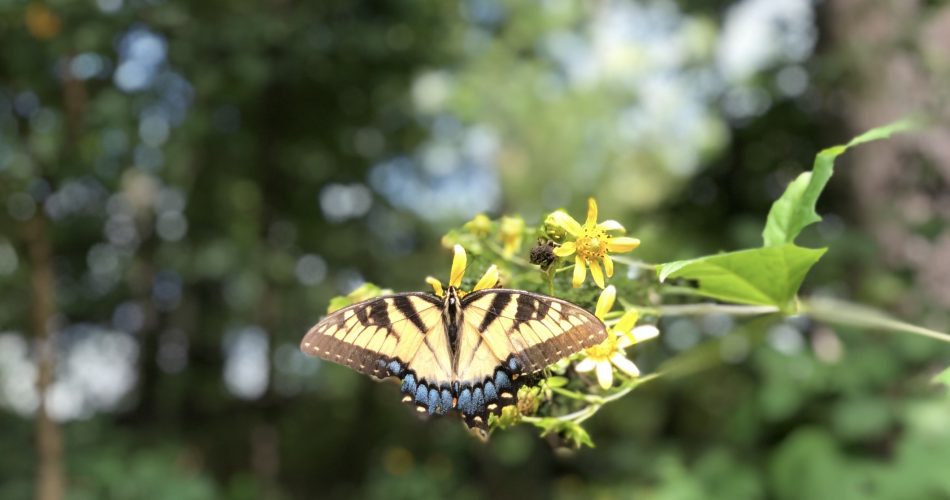
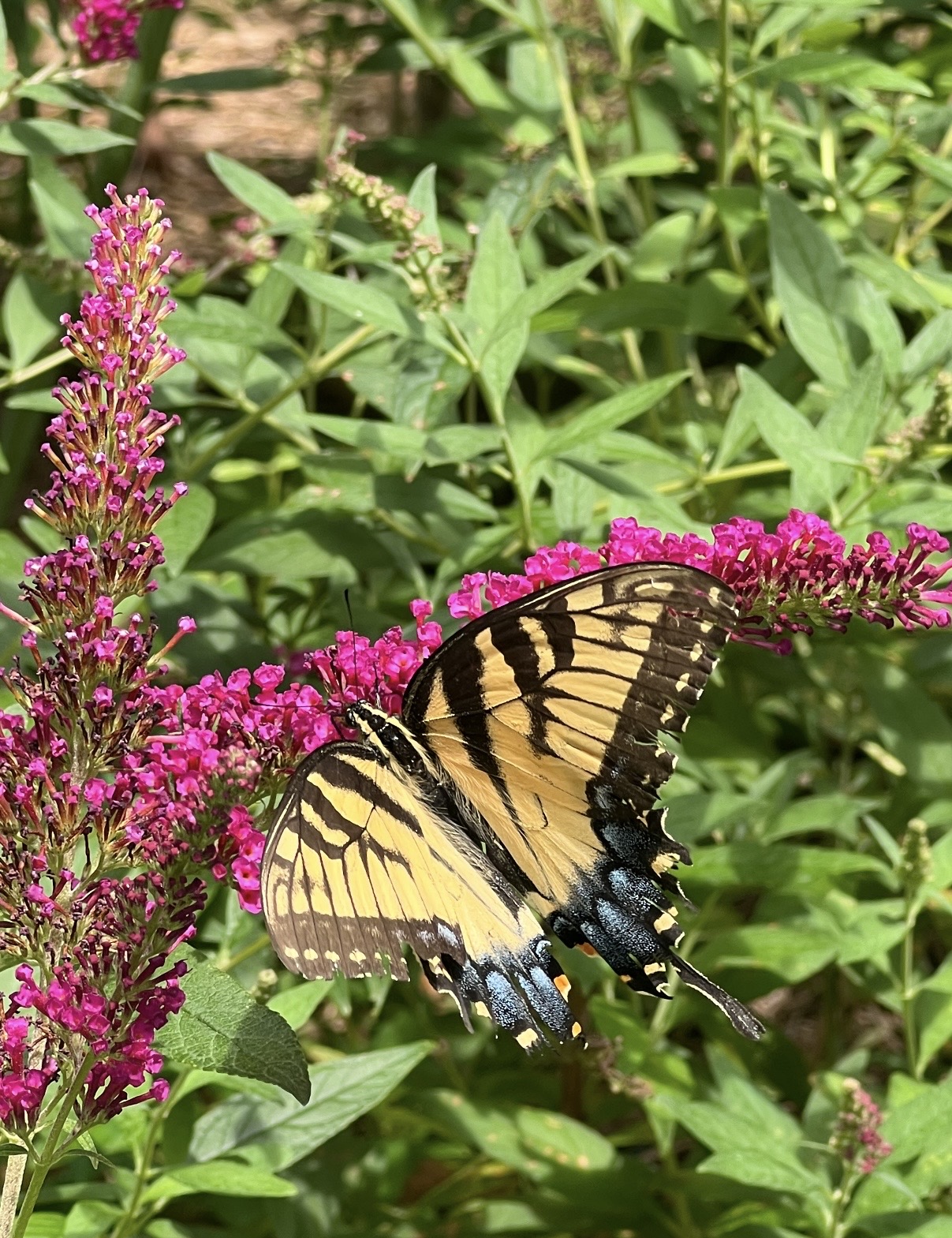
“Happiness is a butterfly, which, when pursued, is always just beyond our grasp; but which, if we sit down quietly, may alight upon us.”
—Nathaniel Hawthorne
This quote is often attributed to Hawthorne. It is sometimes attributed to Thoreau. Many of us have encountered it, though we can’t quite remember where.
My author friend Linda Leaming has a somewhat different idea… or is it? See what you think…
From Linda Leaming (Married to Bhutan; A Field Guide to Happiness):
“When I was a child, I played a board game called Careers, which I never won. And I played a lot. In it, players have to set their own goals for winning by allocating a certain number of points, 60 in all, to a combination of fame, money, or happiness. Most people divide the points evenly and give 20 points to each. Every time I played I put all my points, all 60 of them, on happiness. I didn’t care about fame or money. I stubbornly refused to do otherwise, even when my friend’s older brother explained that this made it statistically a lot harder to win. It didn’t bother me that it was hard—nearly impossible. It’s always been about happiness for me. I was a sensitive, possibly moody child: determined, some might say inflexible. Eventually I figured out putting all your points on happiness is a terrible strategy for winning a board game, but it turns out to be a pretty interesting strategy for life.
While my peers in college went for MBAs, I got a degree in philosophy and then in the late 1980s a masters in writing because they made me happy. In the mid ’90s I traveled across Europe and Asia, and eventually made my way to Bhutan, a tiny Buddhist country in the Himalayas, known to be a very beautiful and a very happy place. I came to Bhutan for no particular reason. I’d met some Bhutanese in New York and we’d become friends. I liked them and wanted to see their country. Bhutan didn’t even show up on some maps, and my Bhutanese friends were real jokers, so there was an ever-so-slight possibility that I was going somewhere that didn’t even exist.
I got myself back to Bhutan several times, and I told everyone who would listen I wanted to live here. It was really hard to pull off at the time. It still is. It’s far away, expensive, and like no place I’ve ever known. I wasn’t entirely sure why I was willing to leave everyone and everything I’d ever known and loved. But I’d had that precedent with the board game, and I’d been known to quit jobs and relationships, dismantle appliances and leave the room, burn bridges, fling skewers of shish kebab, roll over, and jump through flaming hoops, all in the quest to be happy. For me, it was the thrill of adventure and the happiness I felt when I was here that brought me to live in Bhutan. I knew Bhutan would make me a better person. I didn’t know how long I would stay in Bhutan. But I knew my time here would be life altering.
Once I visited Bhutan, I couldn’t wait to get back. It feels like heaven on earth. I hardly notice the hardships of living in an isolated country because the people are charming and funny, and it is truly the most beautiful, unspoiled place I’ve ever been. And there was something else, something intangible that drew me in. Once I had a taste of it, I realized I couldn’t live without it. It filled me with a sense of well-being. I liked myself in Bhutan. And because of that, I could be nicer to myself and those around me. Being kind is practically a law here because there are fewer obstacles to happiness. Life is still simpler. The country has never been colonized, and that gives the people an independent streak, a clear identity, and an optimism. They take care of each other. They laugh and enjoy life—and it’s contagious. The government takes care of its people. Waking up every day in Bhutan with an attitude of kindness makes so many wonderful things possible. It convinced me that kindness is the way to happiness.
Nonetheless, Bhutan isn’t a place that slips easily into categories or stereotypes. It’s full of surprises, conundrums, and contradictions. It is a frustrating place, a holy place, a changing place, and a hideously profane place. It smells like wood smoke, dung, clean mountain air, chilies, and incense. And if you’re willing to slip out of your shibboleths and hard-held prejudices, Bhutan just might teach you some enlightening things.
I moved to Bhutan in 1997, fell in love, and married Phurba Namgay, a Bhutanese painter, three years later. It’s been an incredible journey of change and adaptation: learning to live with less and more. For me, extreme measures seem to work.
In the West, we have everything we could possibly need or want—except for peace of mind. We go to extravagant lengths to try to be happy. Living in Bhutan has taught me that we can all learn to create a space within us where we are untouched, at our best, where we can be open to life and we can be, even in the darkest hours, calm and relatively happy. That can happen anywhere. It happened for me in Bhutan.
I’ve now lived in Bhutan for much of my adult life. My happiness comes because living in this ancient culture forces me to think differently—about time, work, money, nature, family, other people, life, death, tea, kindness, generosity, washing machines, waking up, and myself. Ironically, there’s a lot of discomfort. But I’m happy, deeply and thoroughly. The thing is, Bhutan won’t always be Bhutan. Change is inherent in all things. So when I leave I try to take these feelings and ideas I have in Bhutan with me. I call it “simulating Bhutan.” Even while in Bhutan, Namgay and I have to “simulate Bhutan,” because even in this quiet, relatively pristine place, we can still lose the thread.
Sometimes, we think we’re happy when we feel we’ve achieved a sort of stability or success with our jobs, our bank accounts, our love life, and other relationships. Happiness is complicated, no doubt. It is a lifelong quest. A huge part of being happy, and the quest for it, is actually knowing you’re happy, or rather knowing what makes you happy. It is deceptively simple. That’s why it’s so hard! That little children’s song that starts out “If you’re happy and you know it clap your hands,” while ever so slightly cloying, is also prophetic. Happiness is harder than it looks because so many other things get in the way. So we have to simplify things, strip them down, gut the house, and then build it back up.
Happiness is linked to kindness, compassion, having what you need, and being comfortable with yourself, but it’s not necessarily linked to outward comfort. Here’s what I think about happiness:
Everyone wants to be happy.
Happiness begins with intent.
Happiness doesn’t just happen; it’s a result of conscious action (and sometimes that “action” is to do nothing).
This action involves doing simple things well.
So to be happy you need a skill set. Also it doesn’t hurt if you live in Bhutan.”
—from A Field Guide to Happiness (2014).
***
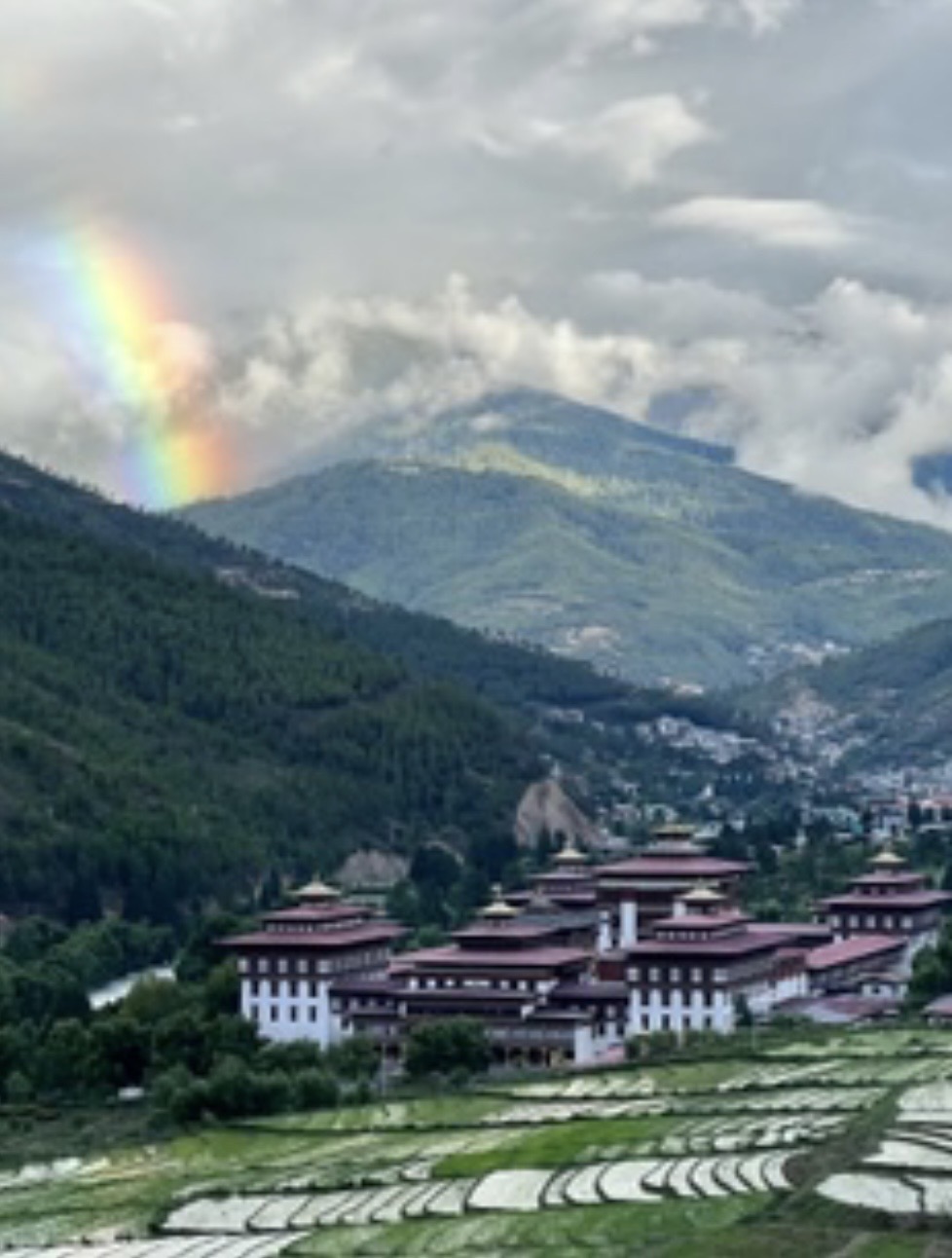
A Magical Journey Through Bhutan: A Retreat for the Soul
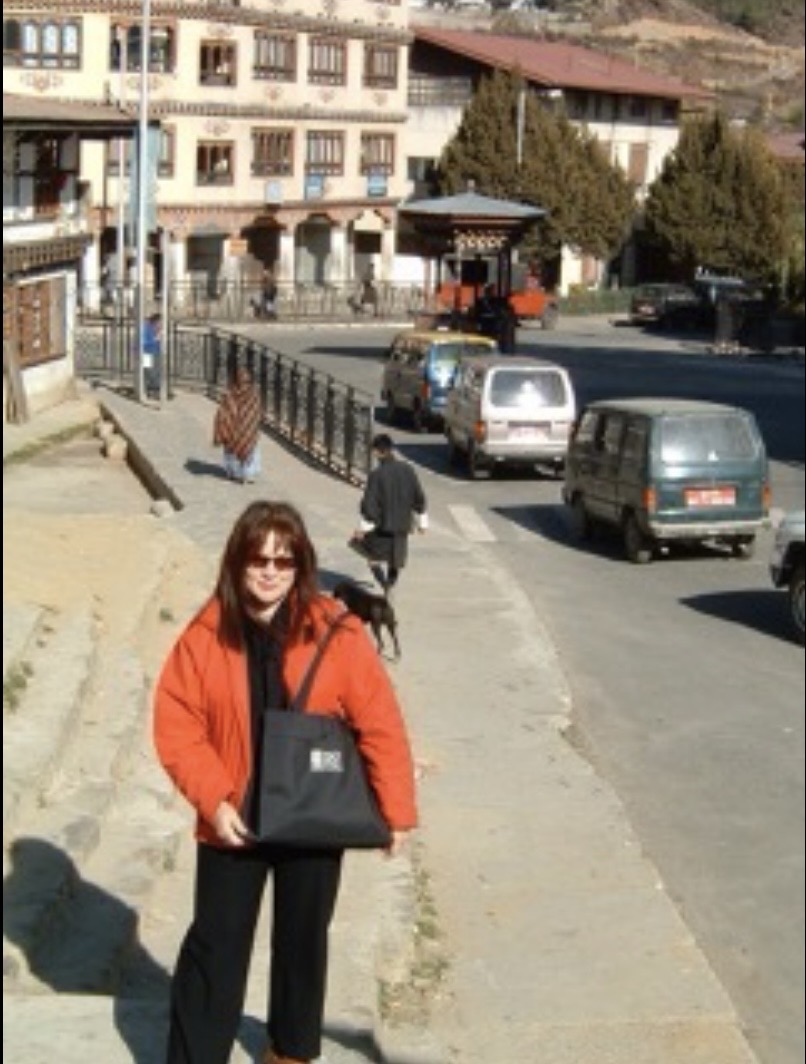
I’m a Nashvillian who lives in Bhutan, having written two memoirs about my life here. Here I am a few years ago in Thimphu, proudly carrying my Frist Museum tote bag.
Like you, I am a loyal reader of Bacon. I love Jennifer because she understand that the world desperately needs stories and that creativity makes us see the world in new ways. A narrative thread will save us.
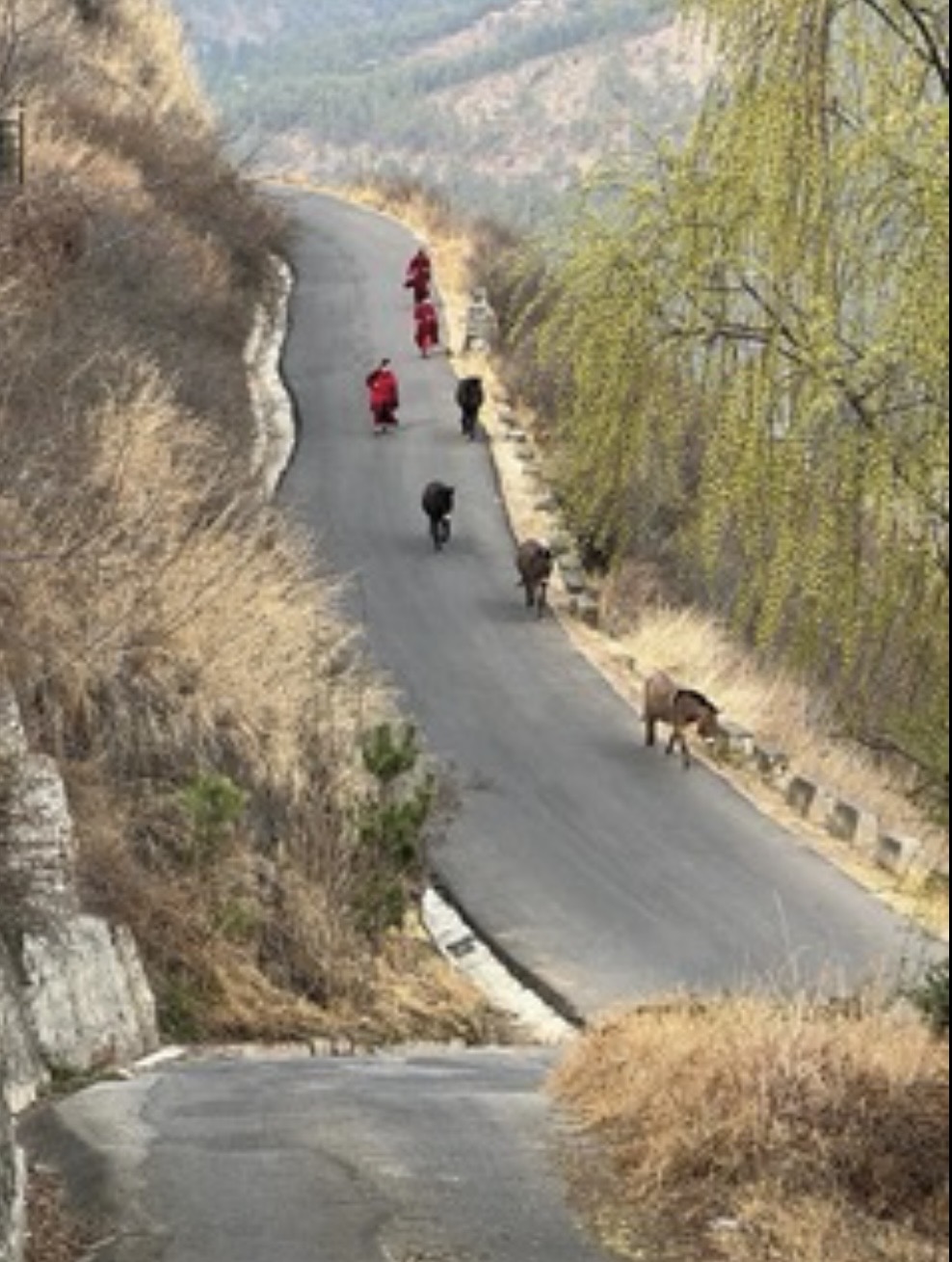
Over the years I’ve hosted tours to Bhutan for people who, like me, are drawn to this peaceful, magical place. Nestled deep in the Himalayas, Bhutan is where mountains rise like ancient guardians over timeless valleys. The people are hardworking, happy, and kind. Everything here feels calming and deeply grounding, just as it did when I first set foot in the country almost 30 years ago.
I’m inviting a small group of creative souls to join me for a week of mindfulness, reflection, and memoir/journal writing. The dates are October 26 through November 2.
Bhutan has given me a second home and a voice. It’s a place where slowing down is a way of life, and energy flows easily in the form of serenity, confidence, and love. The environment here fosters creativity in a way that’s difficult to find elsewhere.
This retreat offers a chance to recharge, dive deep into your writing, and connect with yourself in a place that nourishes the soul. Bhutan invites you to shed the weight of the world and embrace the joy of simply being. We’ll walk, laugh, share stories, create, and—most importantly—take time to listen to our hearts.
The goal of this retreat is to help you refine your writing and expand your thinking in one of the world’s most serene and beautiful places. Bhutan is a land where introspection, creativity, and stillness come naturally.
This is not just another vacation; it’s a pilgrimage of the spirit—a chance to slow down, breathe deeply, and reconnect with what truly matters. Over the course of seven days and eight nights, we’ll explore three of Bhutan’s breathtaking valleys, where joy and peace permeate everyday life.
Though Bhutan may feel distant, both physically and spiritually, it’s a place that will welcome you with open arms. Bhutan is, in every sense, a joyful country—where happiness is the guiding principle. The air is pure, the people gentle, and the landscape— well, you’ll have to see it to believe it.
Let Bhutan guide us into a world where spirituality, art, nature, and creativity seamlessly intersect. We’ll meditate in sacred spaces, write freely, and immerse ourselves in the country’s culture and landscapes. This is your chance to leave behind the noise of the world and step into a realm of peace, quiet, and expansive creativity. Bhutan has made me a writer—I hope it does the same for you.
What to Expect
Each day will offer something new—an opportunity to reflect, create, and grow. Here’s a glimpse:
- Meditate at a hidden monastery: Hike through misty forests to a secluded temple, where you’ll sit in quiet reflection, allowing the peace of the place to fill you.
- Journal and write memoirs: I’ll guide you through daily journaling and memoir exercises, helping you tap deeper into your own story.
- Learn from an artist: Meet a Bhutanese artist whose work blends spirituality and mindfulness. You may discover new ways to express your own creativity.
- Reflect over meals: We’ll enjoy delicious, nourishing food together, from mountain picnics to intimate dinners. One highlight will be a special dinner hosted by my husband (an artist) and me in Thimphu, where we’ll dine, share stories, and connect.
- Discover Bhutan’s soul: We’ll hike through the valleys of Thimphu, Punakha, and Paro, exploring how the rhythm of life here is intertwined with nature and mindfulness. Every step will remind you that creativity and spirituality are two sides of the same coin.
Why Bhutan?
Bhutan teaches the art of slowing down and being present. Life here is about finding joy in simplicity, creativity in stillness, and peace in the rhythm of daily existence. The country is deeply welcoming, where strangers are treated like family. There are few distractions—just the sound of wind through trees, the hum of temple bells, birds singing, and the occasional burst of laughter.
The Retreat
This will be a small, intimate group of no more than eight people, so we can form a connected, meaningful community. You’ll have space for reflection and creativity, but also the freedom to sit in silence and absorb Bhutan’s magic. We’ll be accompanied by a licensed Bhutanese guide and driver, staying in five-star properties throughout our journey.
Pricing & Details
- Cost: Double occupancy: $9507; Single supplement: $2709
We stay at Uma in Paro, Pemako in Punakha and Seva Hotel in Thimphu
- Dates: October 26 to November 2
- Included: All accommodations, meals, transportation, activities, and instruction
- Capacity: Limited to 8 participants
This isn’t just a trip—it’s a transformative experience that will stay with you for a lifetime. Step away from life’s distractions and immerse yourself in stillness, beauty, and creativity. Join me for a journey that will shape not only your writing, but also your life.
I love this. And what a timely post.
Even in dire times, we can choose happiness. In the US — not a happy place right now — we’ve been blessed to have monks marching through our communities, often in bitter cold, simply to remind us of peace.
Thanks, Jennifer and Linda.
Thank you for being in touch, Kim! I’ve heard about the monks but haven’t seen them myself. Xoxo
This is exquisite, Jennifer. For a moment, I envisioned myself there, but in reality, I’m afraid it is too daunting. #tothineownselfbetrue
The most important thing is knowing yourself, of course! I love that you even considered it, ML! Xoxo
Wow! Bhutan has crept it’s way up on my “to visit” list. I admit I don’t know if I had heard of it before your previous post. How insular we can be here in the West, forgetting there is a huge world with almost 200 other countries to discover. This pilgrimage sounds incredible.
I hope you might consider coming, Sara! It would be incredible to have you! Xoxo