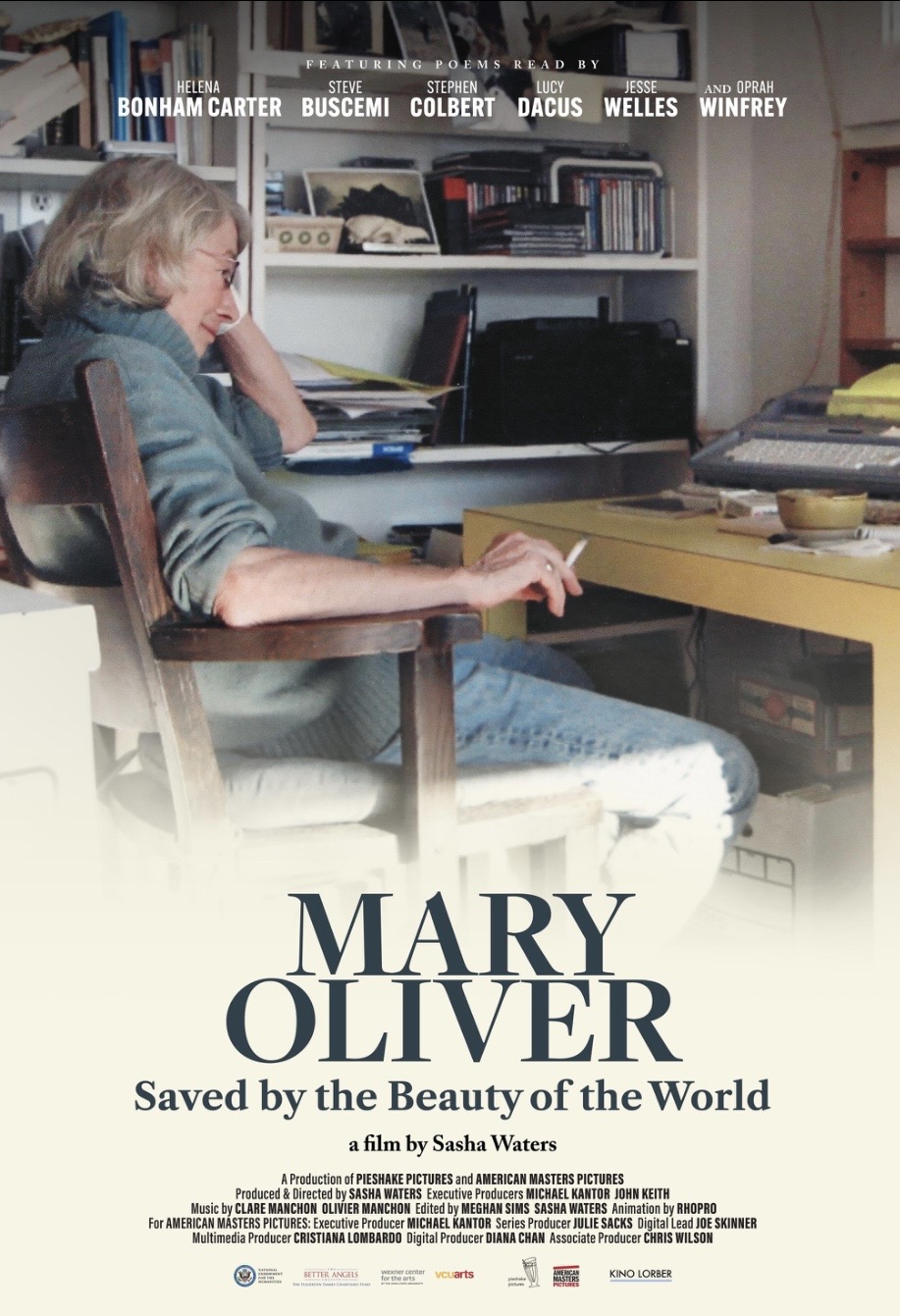
Nashville friends: the new film about Mary Oliver is coming to the Belcourt! See details below. (Many thanks to my friend Grace for noticing and letting us know!) Please note: this film is also currently available for purchase on Apple TV.
Synopsis:
“If poetry had a pop icon, Mary Oliver would be it. Celebrated best-selling poet, Pulitzer Prize-winner, lover of dogs and long walks in the woods, openly queer but intensely private, Oliver was America’s unlikely contemporary mystic, stalking the ponds and forests of Cape Cod for nearly 50 years in order to open herself — and her readers — to the known and unknowable world.
From a lonely childhood to literary fame, Oliver’s life was shaped by devotion to nature, paying attention, and the long journey toward learning to love and to be loved. Her poems inspire liberals and conservatives, atheists and believers, naturalists and urbanites, speaking directly to contemporary anxieties about attention, presence and the human relationship with the natural world…”
From PBS.org:
Featuring archival footage, never-before-seen personal photos, notebook pages and original interviews, Mary Oliver: Saved by the Beauty of the World explores Oliver’s early days as a writer, the people and places that inspired her poetry, and the award-winning works that launched her to broad acclaim. New interviews from Maria Shriver, John Waters, and former US Poet Laureate Ada Limón, as well as poetry recitations from Helena Bonham Carter, Stephen Colbert, Lucy Dacus, Steve Buscemi, and Oprah Winfrey illuminate Oliver’s legacy as a beloved poet.
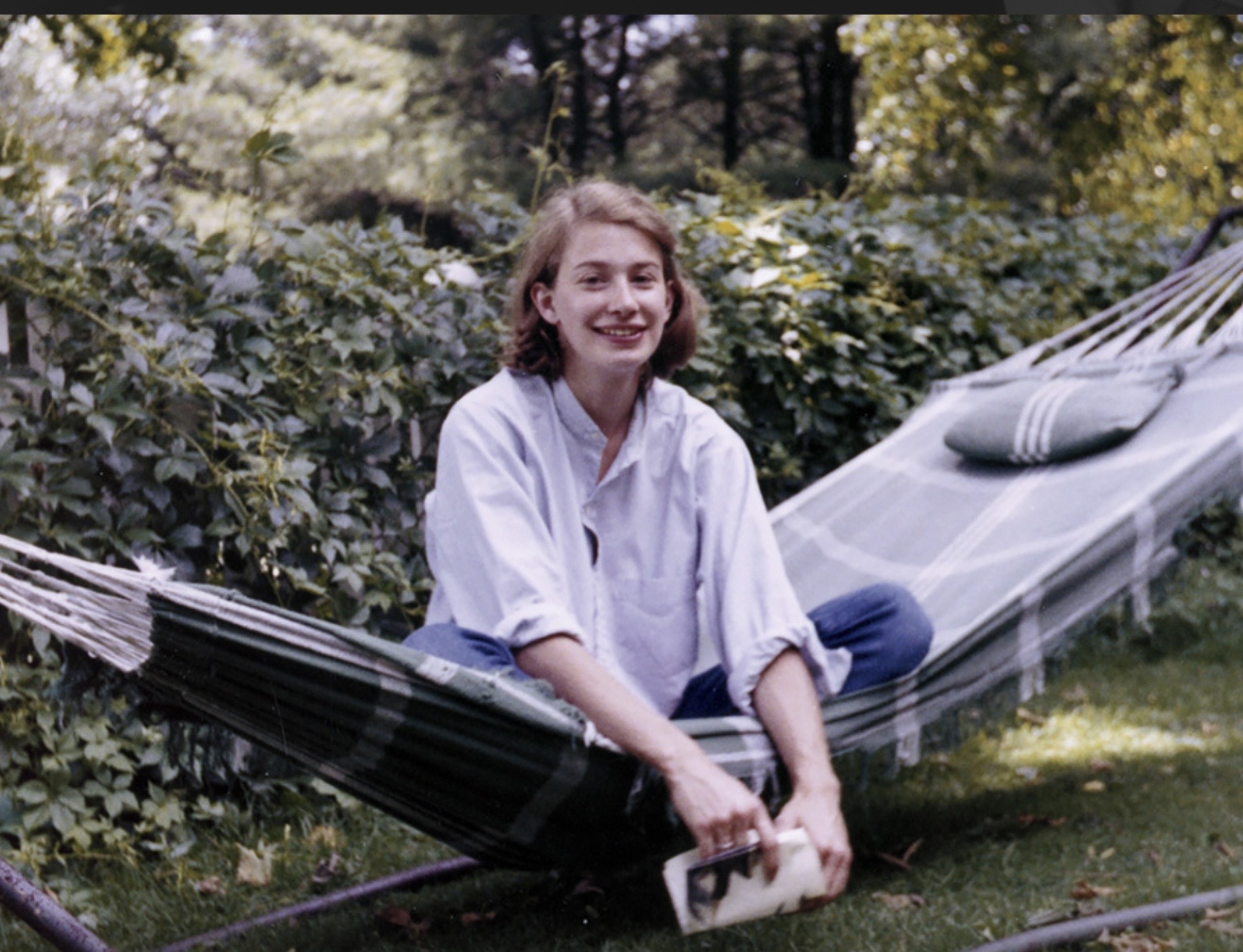
Born in Maple Heights, Ohio on September 10, 1935, Oliver’s quiet, pastoral childhood informed her interest and love for the natural world, and at the age of 14 she began writing poetry. As a young adult, she visited the home of late poet Edna St. Vincent Millay and befriended her sister Norma. For the next few years, Oliver worked at Steepletop, Millay’s estate, as a secretary to Norma.
Oliver briefly studied at The Ohio State University and Vassar College before moving to Provincetown, Massachusetts, where she resided for many years with her long-term partner Molly Malone Cook as her writing career flourished. While she lived a very private life and seldom discussed her relationships, her writing reflected her own observations on humanity, love and the natural world, which resonated with readers and garnered her a dedicated following, particularly within the LGBTQ+ community. In 1984, she won the Pulitzer Prize for her poetry collection American Primitive and subsequently received the National Book Award for the 1992 collection New and Selected Poems.
After Cook’s passing in 2005, Oliver moved to Florida where she resided until her death in 2019. Oliver’s introspective, vivid poetry continues to inspire the next generation of poets, including Ada Limón, Major Jackson, and Gabrielle Calvocoressi. She is considered one of the bestselling poets of the United States and will forever be remembered as an icon of American poetry.”
***
Special Belcourt screening:
Sun, Jul 26 at 3:20pm: Post-screening reading in the round from writers Nina Coyle, Ezra Graff, Kashif Graham, Carly Myracle and Ciona Rouse. Select Mary Oliver books will be for sale in the lobby, courtesy of Bard’s Towne Books & Bourbon | BUY TICKETS
***
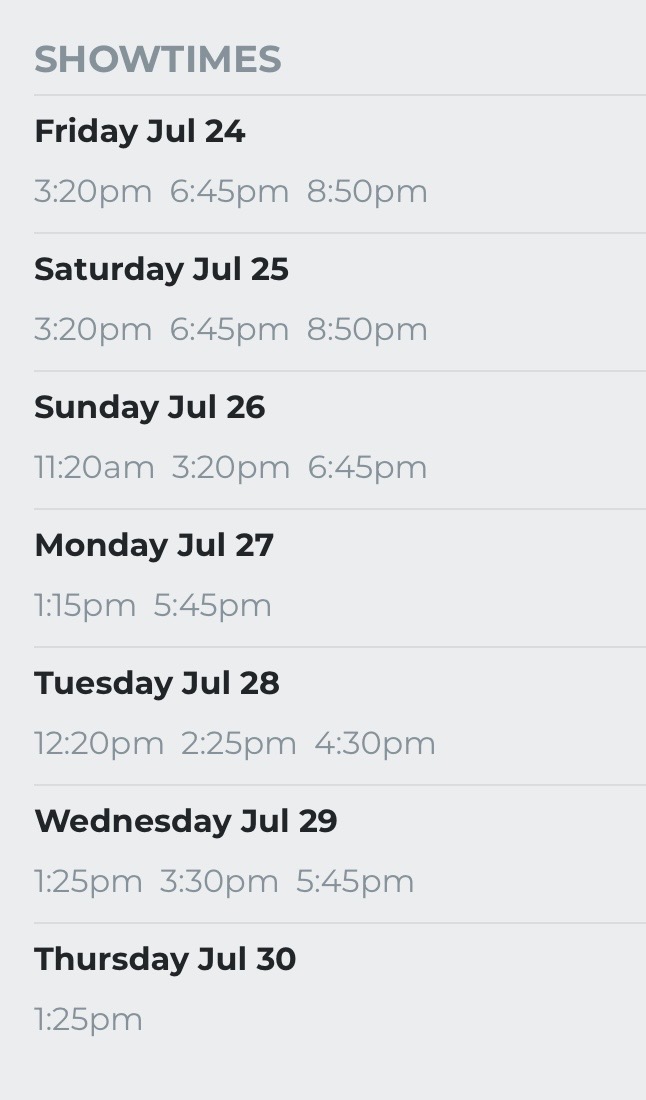
Other screenings:
***
***
From Q&A with the director, Sasha Waters
What were some unexpected joys and challenges in making this film?
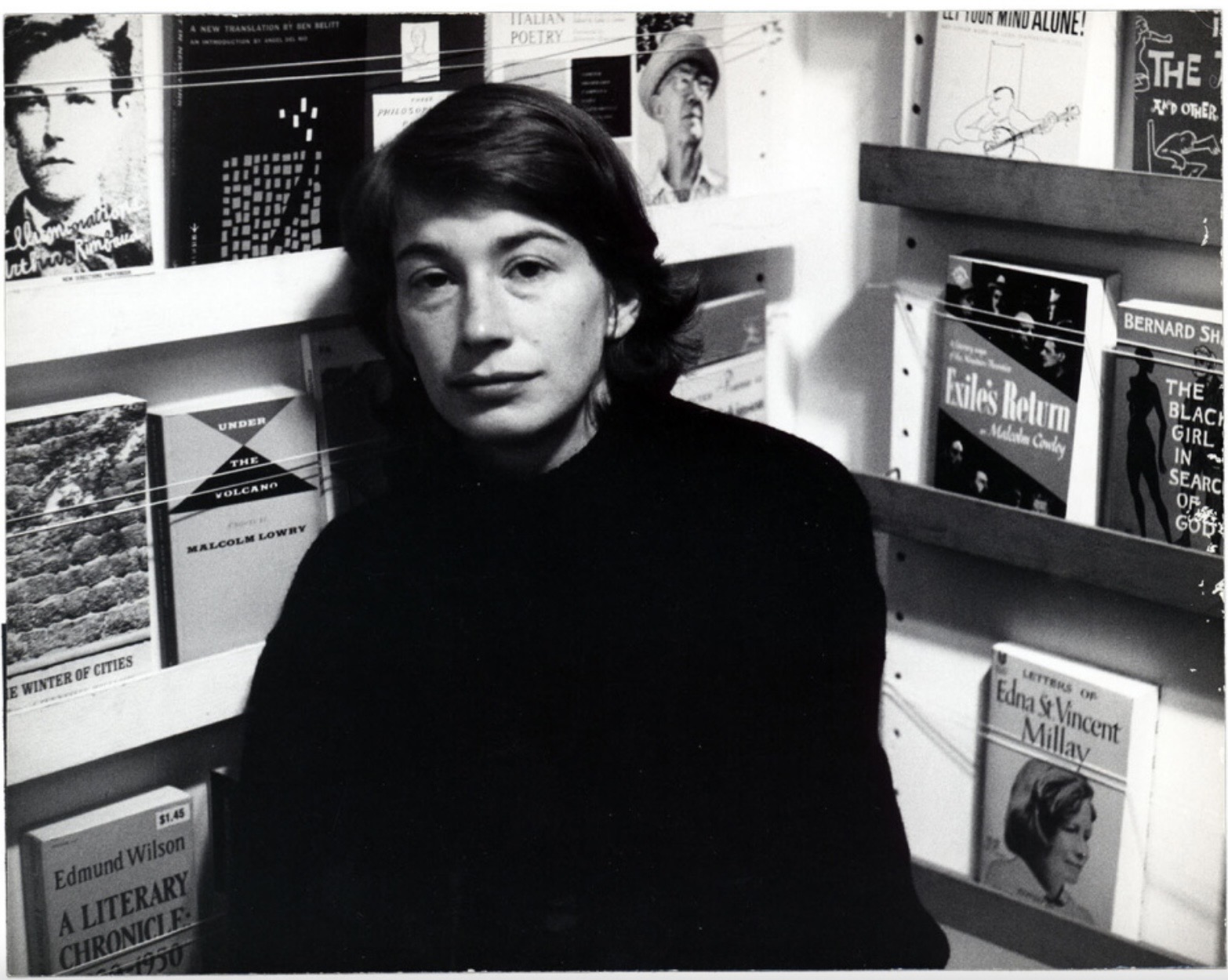
…Spending time in Provincetown – even in the winter, with people who live there year-round like Mary [Oliver] and [her longtime companion] Molly did for so many years – was an important part of my research into understanding the fabric of their daily lives. There were also rich discoveries in the archives, such as a film made by the National Park Service in the late 1960s called “Song of the Sandy Mooring.” This 16mm short profile of Provincetown includes footage of a young, then unknown Mary Oliver working in Molly’s bookstore. Finding those images of Mary and the town in the National Archives felt like a gift from the universe.
Another wild find was the 2010 conversation between Mary and Maria Shriver. Their interview appeared in print in O Magazine in April 2011, and for months we assumed we were searching – most likely in vain – for an audio recording. More than fifteen years had passed, and no trace of it surfaced in the archives. But when we interviewed Ms. Shriver, she mentioned that their conversation had actually been filmed, and wondered whether the freelance cameraman might still have a copy. It seemed too good to be true, but thankfully cinematographer Rob Howard had preserved the footage – which ultimately became a crucial turning point in the film.
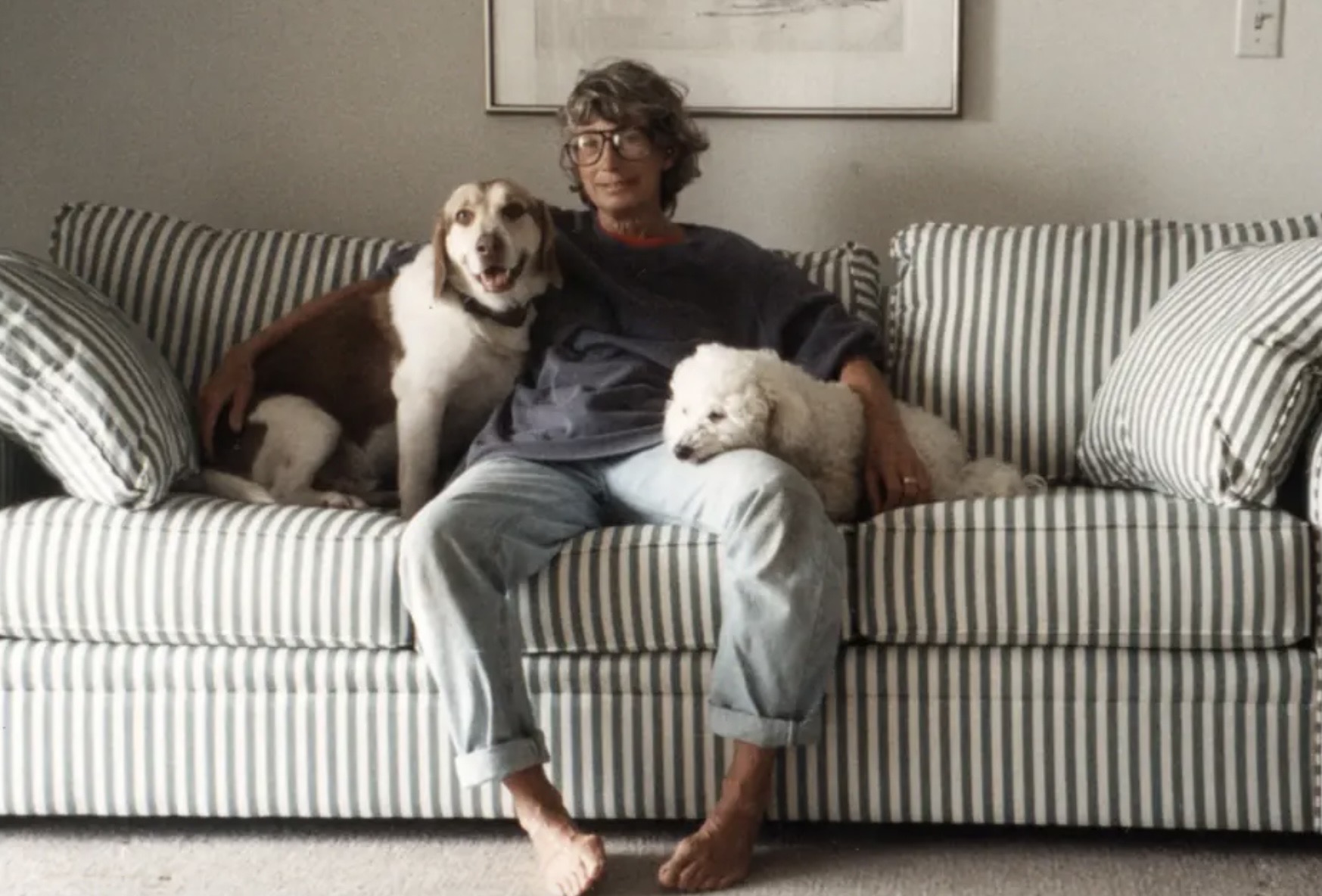
What is it about Oliver and her work that continues to resonate with readers of all ages and interests, even decades later?
The extraordinary constellation of poets, artists, and friends in the film express it better than I ever could: “People who don’t know anything about poetry,” claims Ariana Reines, “when they are in a state of being torn open by life, and they need someone to speak to that state of the soul. It’s Mary Oliver.” Mary resonates with readers of all ages and backgrounds because her words touch the deepest, most human parts of ourselves, where our humanity is closest to our animal nature. Many of her best loved poems are largely in the second person – “You do not have to be good” (from “Wild Geese”); “There was a new voice which you slowly recognized as your own” (“The Journey”); if you feel joy, “Don’t Hesitate.” It feels like Mary is speaking to you alone, and yet millions of people share this feeling. It’s remarkable. Poet Gabrielle Calvocoressi says, “You could not contain her any more than you could contain the season outside.” Mary’s words call on us individually and collectively to love the mystery at the heart of our human animal experience.
***