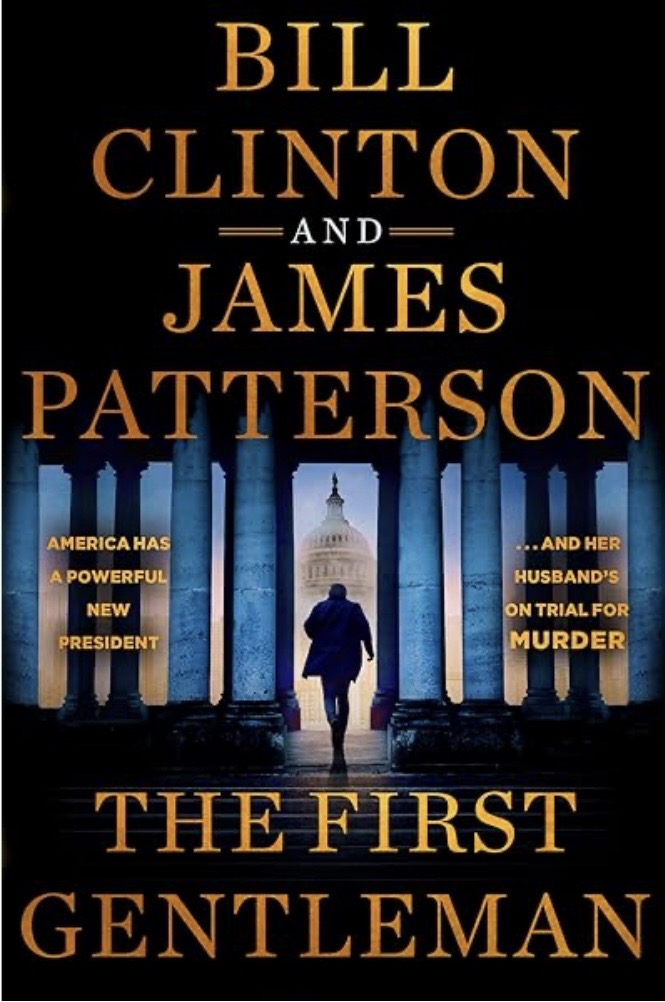
The First Gentleman, by Bill Clinton and James Patterson, imagines a woman we recognize in the White House. She’s tough and savvy, with a sharp tongue and a sharper mind. Her husband, the First Gentleman, is a charmer who helps her tremendously behind the scenes. He’s also a former football star who played for the New England Patriots. The body of a cheerleader missing for 17 years has been found, and he stands accused of murder.
The First Gentleman is billed as a thriller. The plot is twisty and laced with complicated intrigue. There are about a thousand minor one-dimensional characters. The courtroom drama wouldn’t pass muster on Law and Order. The language of the book suggests that it was written by aging boomers… reporters are “pesky”, opportunities are “golden,” and “no-name muckrakers” threaten to undermine everything the president has been working towards. But the winner is: “This, Maddy [the president] thinks, is our last chance to turn lemons into lemonade. If we don’t, we’ll all be sucking lemons.” Who is editing this?
Still, it was a fascinating read, for the reason you suspect: one of the names on the cover.
I felt immersed in Clinton’s imagination. The pudgy saxophone player becomes a football hero with all the right moves. The novel also seems like a love letter of sorts – a love letter to Hillary. The First Gentleman might not be perfect in these pages, but his wife is. Even with her husband on trial, she’s able to bring the Grand Bargain to the American people: a plan to save the country from imminent and existential financial collapse. She is triumphant politically, and they stand united – she and her husband – in their love for each other. Each of them is vindicated in every regard.
“Being the First Gentleman is the only political job I ever wanted that I didn’t get. I thought about it a lot,” Bill Clinton said in an interview. You can tell. This novel seems to me some version of that fantasy.
Why would you read this? Well, mostly if you’re interested in the Clintons, I think, and Bill in particular. I found the book poignant. How often is someone so honest about the deepest yearnings of their heart? (A more cynical reader said to me – you’re reading way too much into this. I have also considered the possibility that the imagination I am immersed in is Patterson’s.) I wonder what Hillary thinks of the book.
***
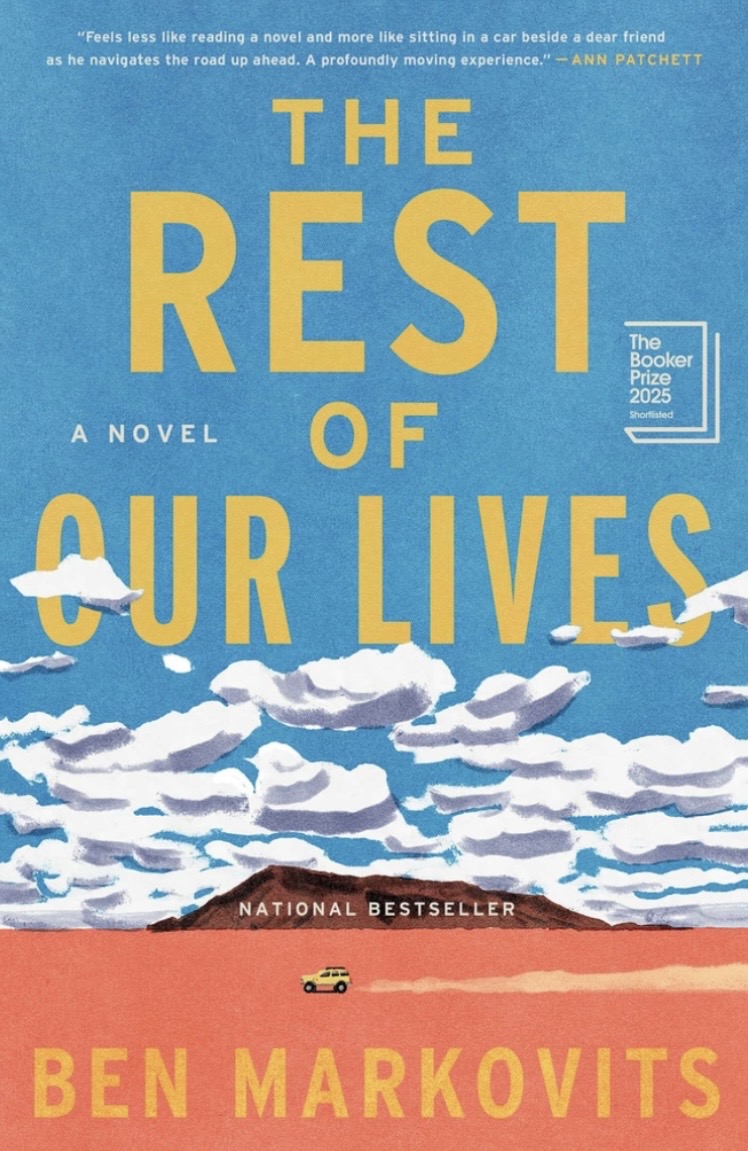
The Rest of Our Lives by Ben Markovits moved me far more deeply as a work of art and suspense, and as a meditation on marriage.
Tom Layward has just taken his youngest daughter to college in Pennsylvania. Instead of returning home to New York, he keeps driving. He hadn’t planned on that – he didn’t even bring a change of clothes – though perhaps some part of him did. His wife had an affair years earlier, and the thought had been percolating ever since that he would leave her after their youngest daughter went to college.
Tom visits several people on his drive from the East coast to the West – his brother, an old girlfriend, a client. He buys a change of clothes at Walmart. He plays some pick-up basketball. His final destination is his son’s apartment in California.
Something strange is going on with his health, but he keeps ignoring the symptoms. Is he going to drop dead? Is he going back to his wife and his life in New York – or will this be some profound turning point in his journey? Thinking back on when his own father left his mother:
There’s almost nothing you can’t do to yourself, that’s what I thought. And whatever it is, you’ll probably survive and maybe even end up happier than you were before. But that doesn’t make it less terrible.
You have the sense that everything hangs in the balance on this road trip. Everything is possible.
I can’t remember the last time I was so taken with the mystery of it all. What is he going to do with the rest of his life?
The Booker Prize judges liked it too, short-listing it in 2025: “It’s matter of fact, effortlessly warm, and it uses the smallest parts of human behaviour to uphold bigger themes, like mortality, sickness, and love. It is a novel of sincerity and precision. We found it difficult to put it down.”
***
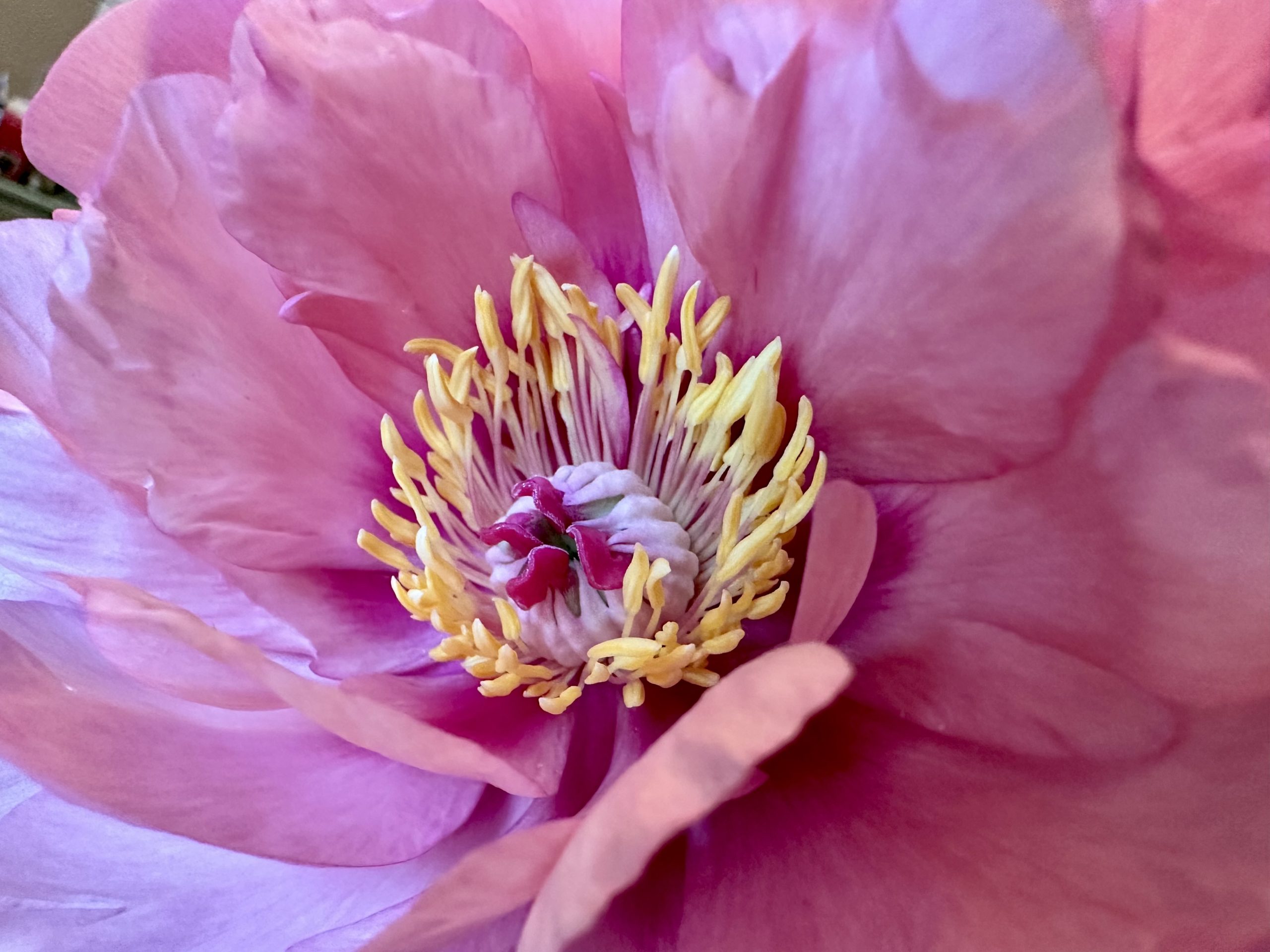
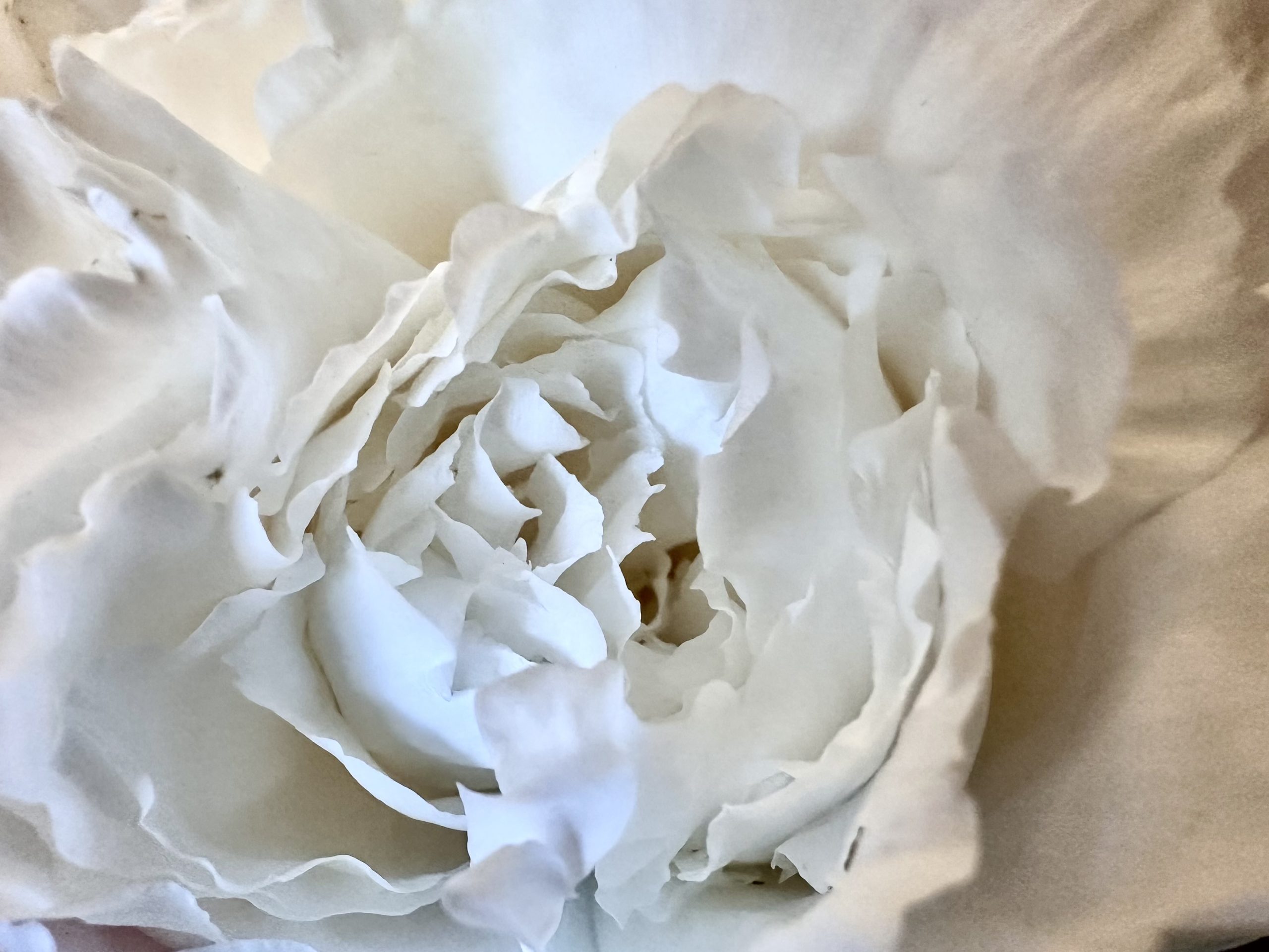
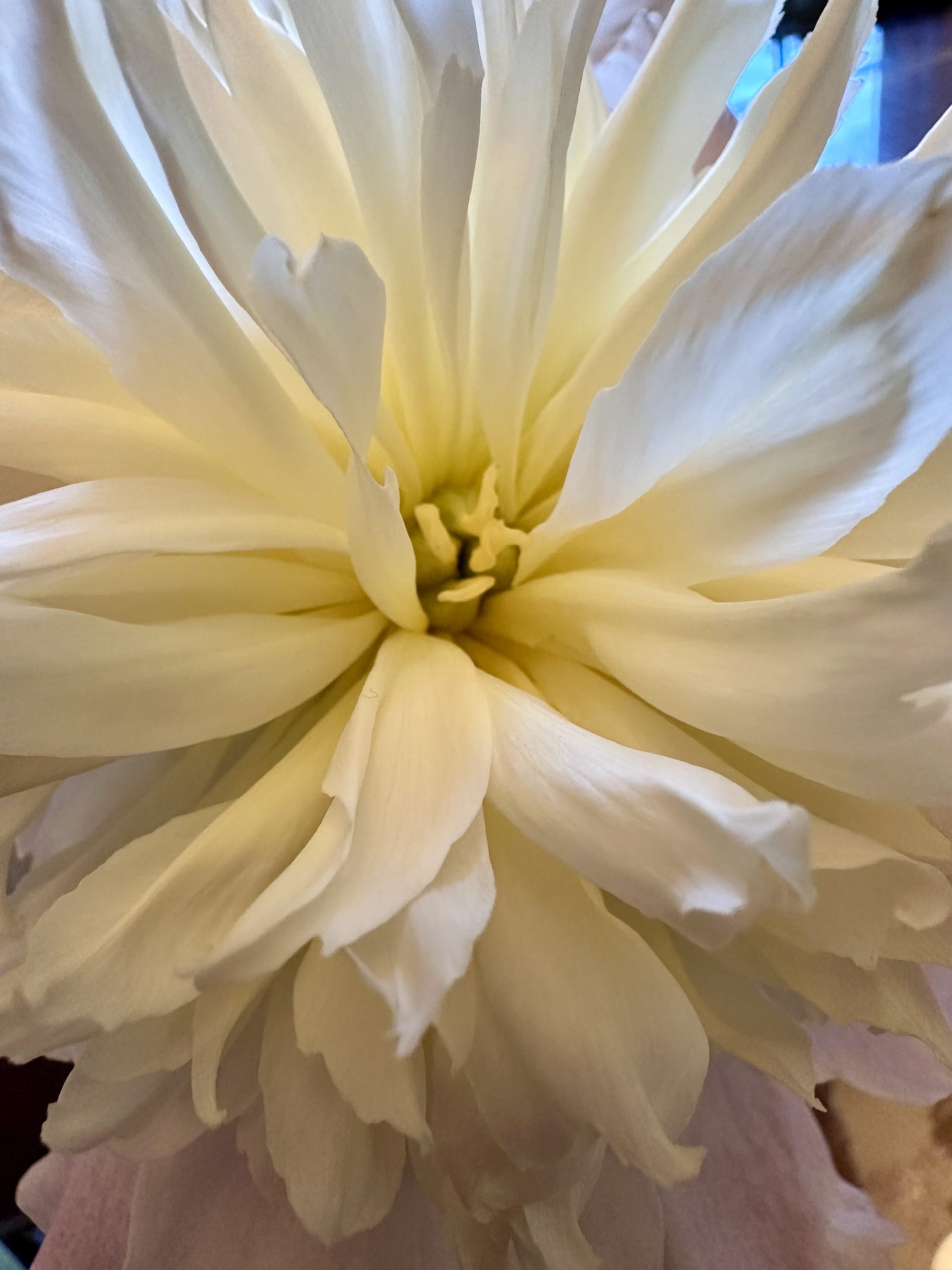
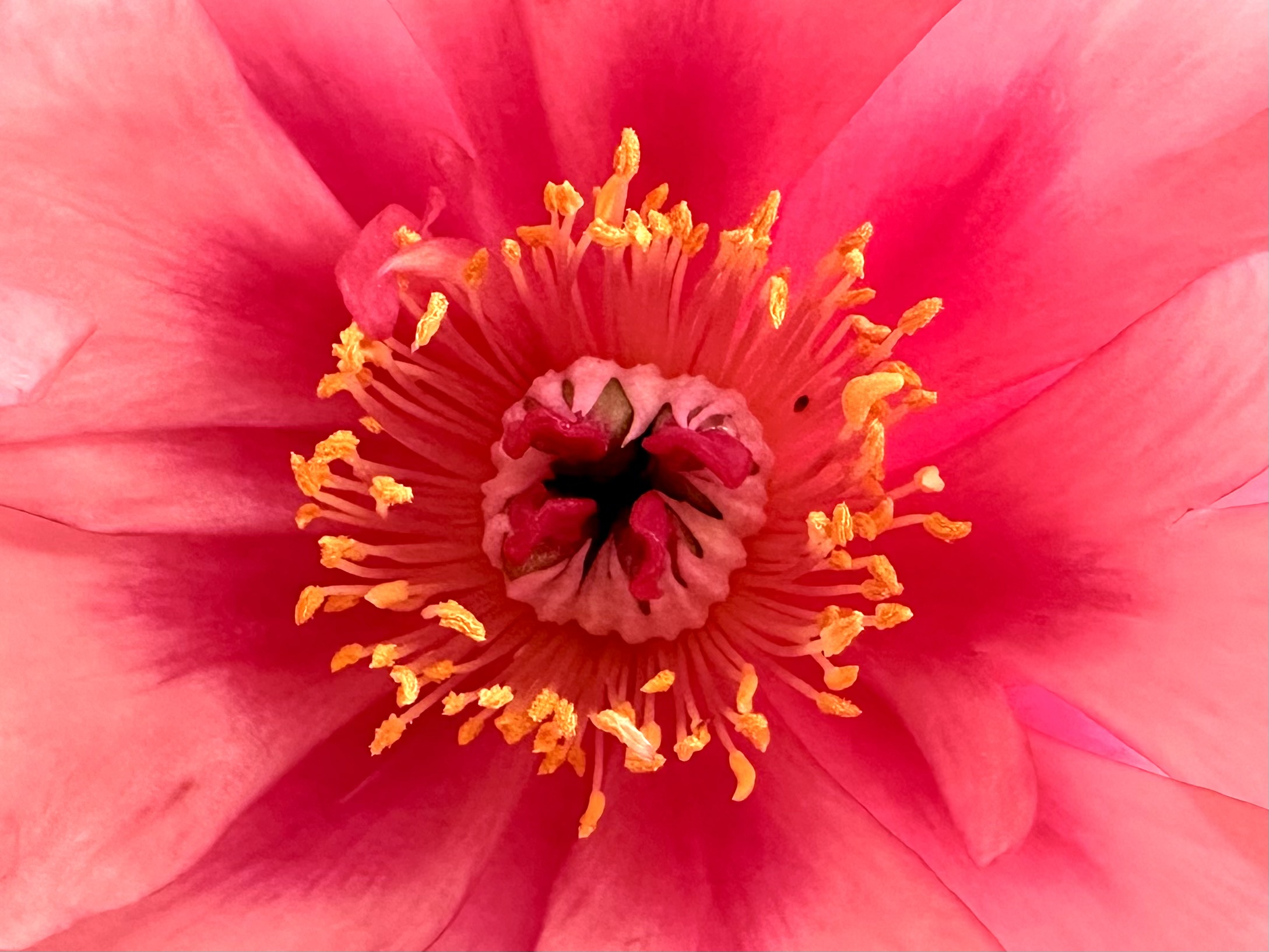
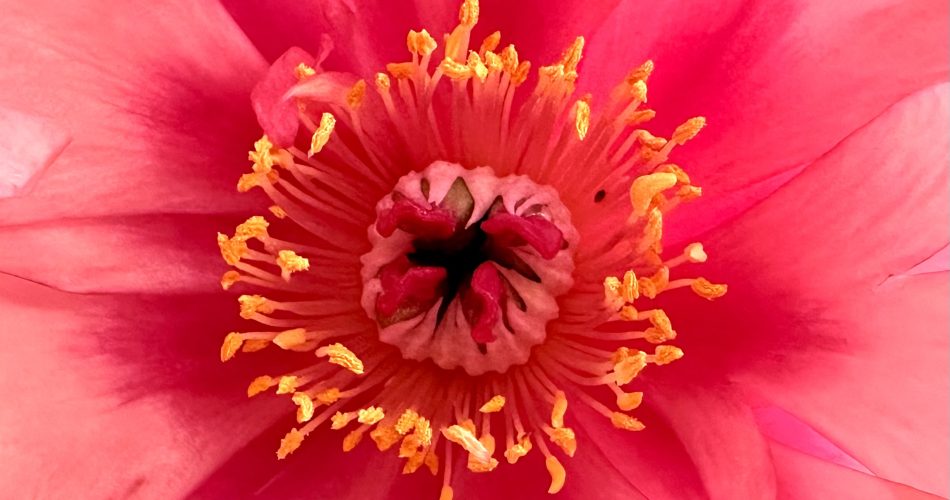
Peony photos by David Lien
Hello from California… thank you for your interesting post and book recommendations. The flower photos are magnificent!
I just finished reading “The Director” which you wrote about. I appreciated the writing and how that time in Germany was described. I found the book thought provoking, a very good read.
Your posts brighten my day! Thank You
Hi Paulette! How lovely to hear from you today! I’m glad to know that you enjoyed “The Director.” Have you read anything good lately? I am always to receive your greetings from CA! Xoxo
I thought the ending of The Rest Of Our Lives provided great resolution to vivid relationships.
I totally agree with you. Xoxo