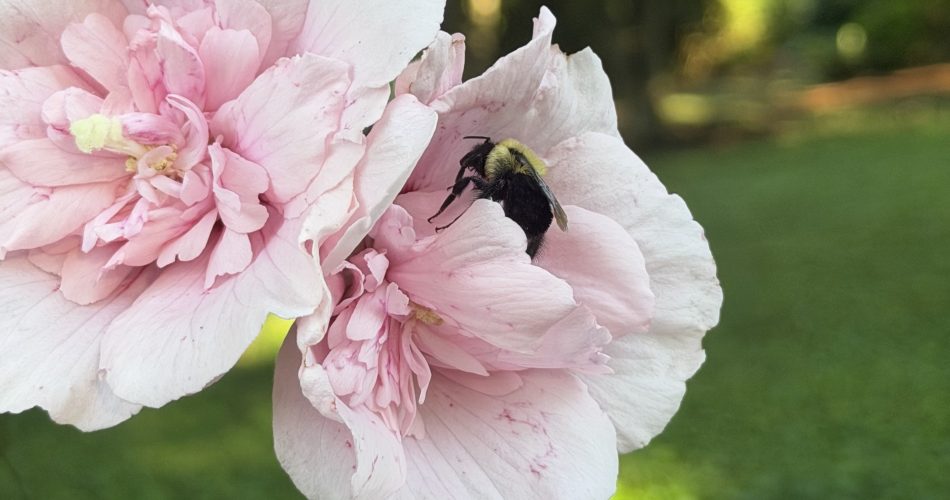
My British friend observing my state of mind encouraged me to hurkle durkle this weekend. I took her excellent advice on Saturday morning.
I drowsed with the pups, in and out of dreamland, in and out of peaceful music – and when I finally arose, the world was new, at least for a while. (To hurkle durkle is to stay in bed when one probably shouldn’t, lazing about instead of doing one’s chores and errands.)
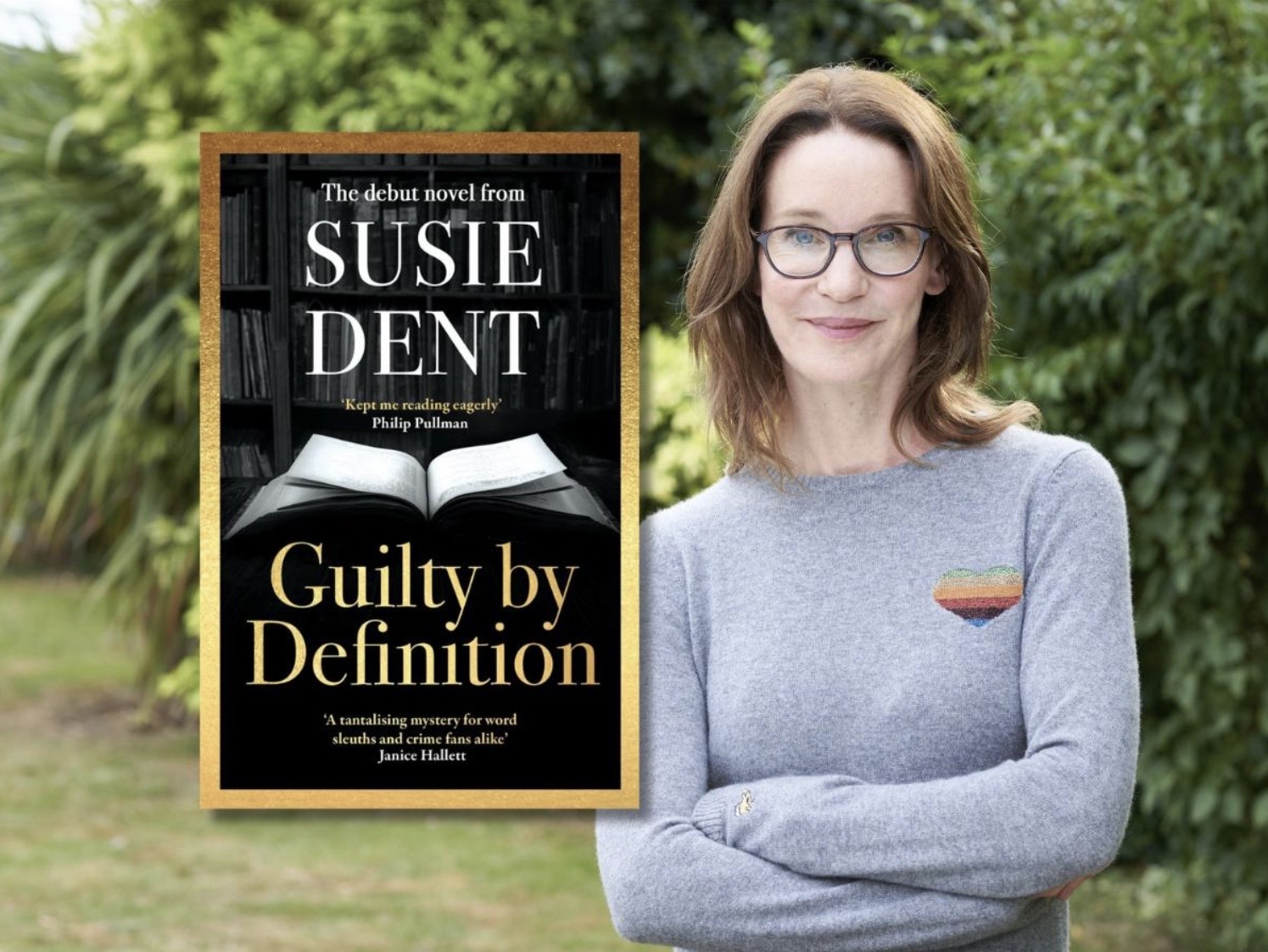
A lovely novel to linger over on such a morning is Guilty by Definition, by Susie Dent (unless you’re reading Whistler, The Calamity Club, or Yesteryear, which everyone is buzzing about with varying levels of enthusiasm and disappointment).
In Guilty by Definition, a senior editor at the “Clarendon English Dictionary” (thinly disguised Oxford English Dictionary) has begun receiving letters suggesting that a long-missing person was in fact murdered. Not just any person: her brilliant older sister. The cold case becomes hot, and hotter still, when another person connected to the Dictionary dies in mysterious circumstances. Is it possible that the discovery of a long lost manuscript linked to Shakespeare might begin to explain the series of events? Letters to the editor keep coming – in perplexing code – and our heroine must face her past in order to solve the mystery. One of my most astute friends compared it to an Agatha Christie novel in its smart and careful plotting. Another noted its surprising depth for a light read.
One of the particular joys of this novel is the author’s playfulness with words. It’s a bookish book, for word-lovers. Each chapter begins with a dictionary entry. My favorite:
32
uhtceare, noun (Old English):
the anxiety before dawn
A close second:
33
zugzwang, noun (twentieth century):
the obligation to make a move, but every move is detrimental
Here are some other words Dent includes along the way:
gongoozle:
“…[T]he water flowed more silently here, inviting passersby to gaze at the ruins or turn the other way and gongoozle – one of her favorite words ever since Safi had extended its original meaning of lazily watching activity on a stretch of water to idly staring at a cup of tea.
tidsoptimist:
“Mike will be a couple of minutes late. I can’t say I’m surprised. I remember he was always convinced he had plenty of time to get to meetings, despite all indications to the contrary.”
“A tidsoptimst,” Safi said. “It’s Swedish. A time optimist.”
sadmin:
“There are so many things. I keep thinking of new ones. What on earth will we do with all his papers?”
“We can help with that too,” Safi said quietly, then, almost to herself. “Part of the sadmin.”
“Sadmin?”
“Yes, all the admin tasks that come with a death.”
thrill:
“It’s funny, Martha thought, retreating into the safety of her head. I spend my life uncovering secrets. Her job was to carefully dismantle language like a Russian doll until its very core was revealed, then put it back together to preserve its mystery. Words were defined by what they hid, sometimes in plain sight, like “breakfast” or “freelancer”: a knight free to use his lance for anyone who paid him. But the etymologies she adored most emerged from far below the surface, like the unexpected findings on an archaeological dig, their stories layered beneath centuries’ worth of sediment. Lexicographers sought out the thrill of the chase as much as detectives did. She remembered her linguistic fleshment, when she’d discovered as a student that “thrill” itself, in medieval times, meant to pierce someone with a sword; only later did the piercing move to excitement.”
apricity/respair:
“Whenever Martha came across such abandoned words in the course of her work, she found herself wondering about their creators, questioning whether they had looked on with hope as “their” word enjoyed a brief moment in the light or whether they had even cared at all. Few of them would surely have predicted that their voice would be quoted in the greatest of all lexicons, one that uniquely preserved every entry ever made within its pages – once a word went into the CED, it never came out. Yet it was precisely the unsung words that were the most beautiful in Martha’s eyes. “Apricity,” the warmth of the sun on a winter’s day, she had found mentioned in just a single source from the 1620s, and then nothing. “Respair,” sketchily defined in the dictionary as a recovery from despair, apparently lived for just one day, like a linguistic mayfly, before it vanished into the recesses of a word-hoard so vast that its tiny footprint lay buried beneath the tread of words more ordinary yet inexplicably more popular.”
Guilty by Definition gets off to a clunky start. I would have given up if it hadn’t been a book club selection. But the characters do begin to come to life on the page before too long. You start to care what happens next. And the words simply sing.
***
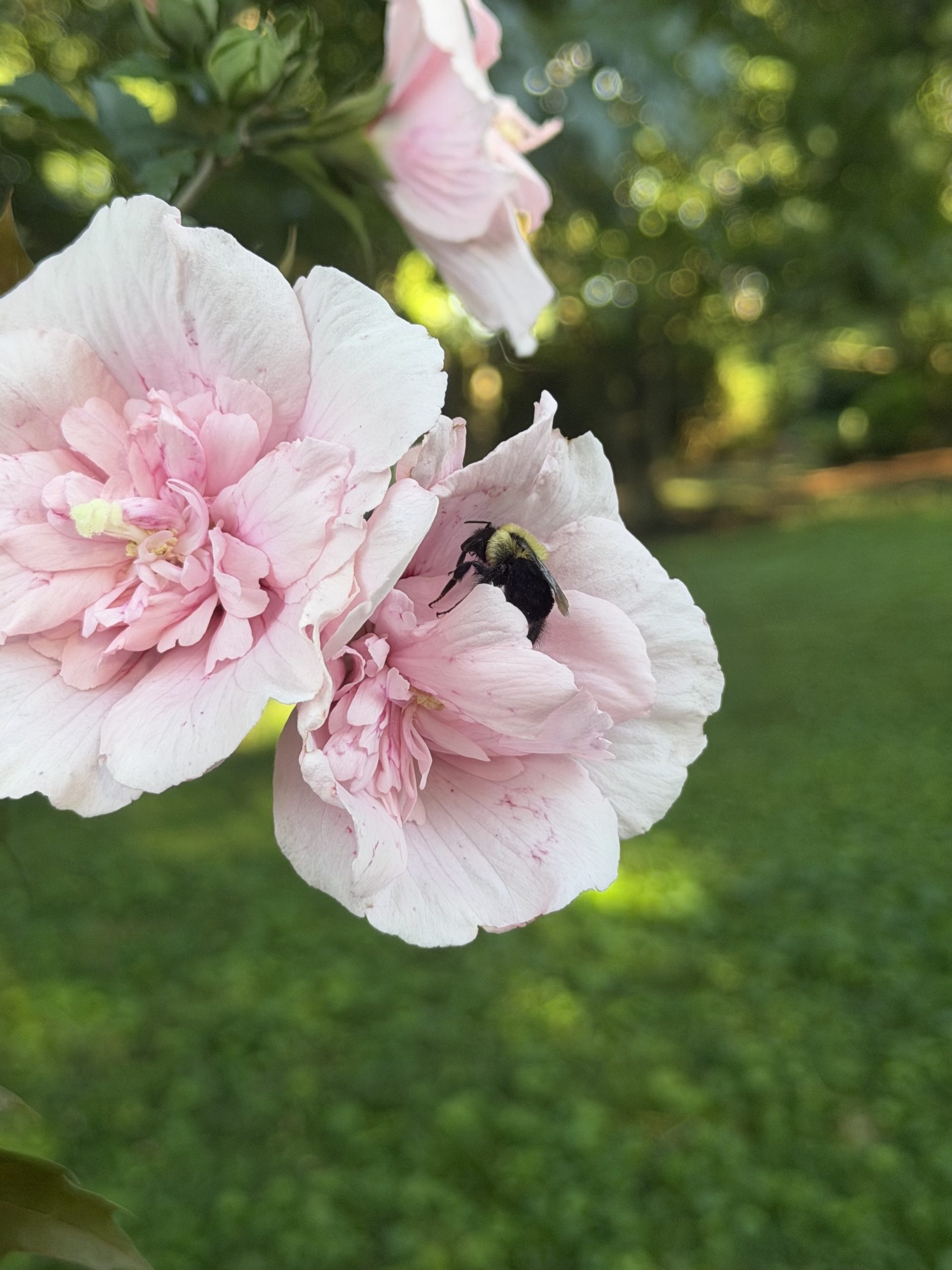
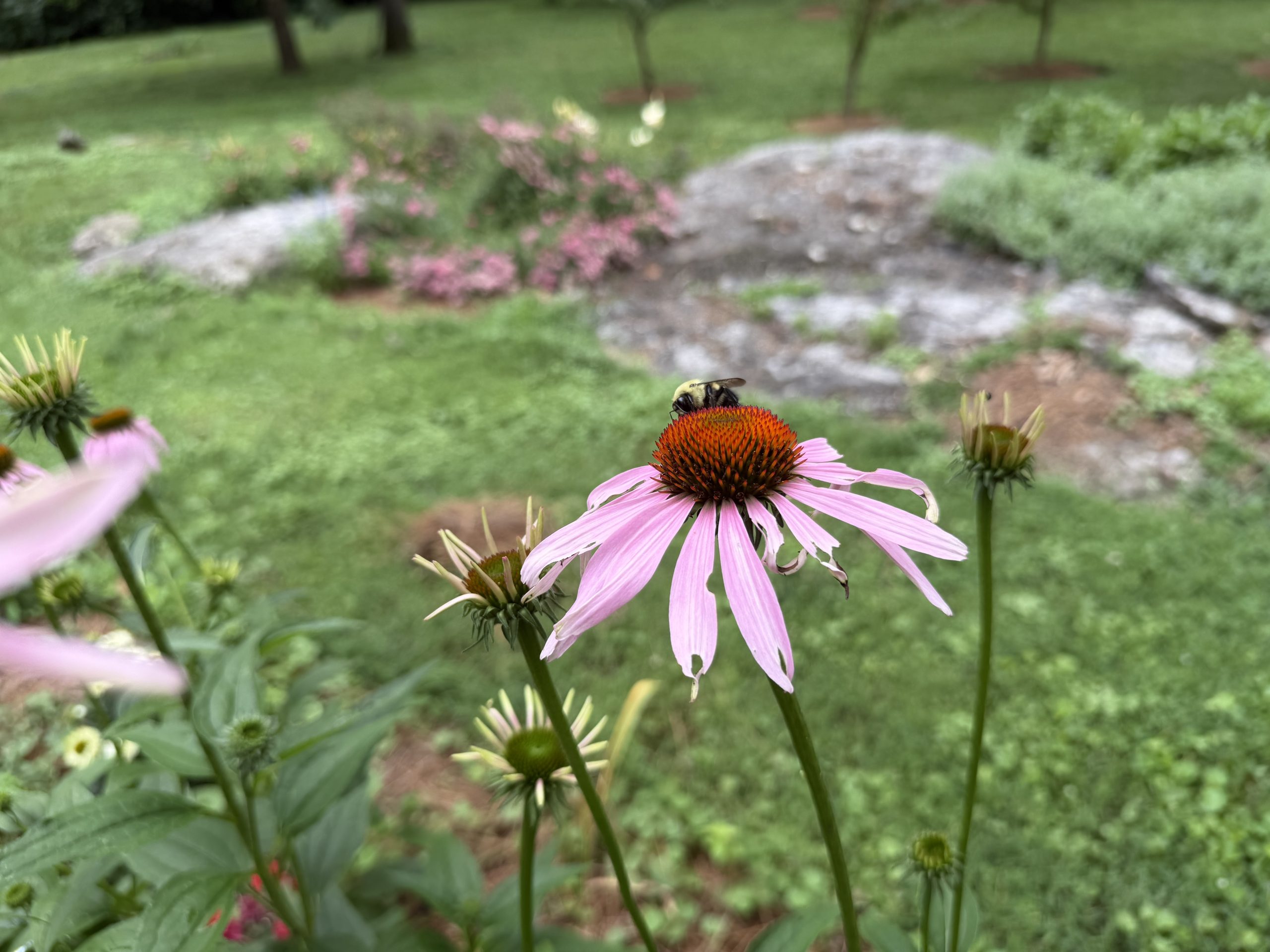
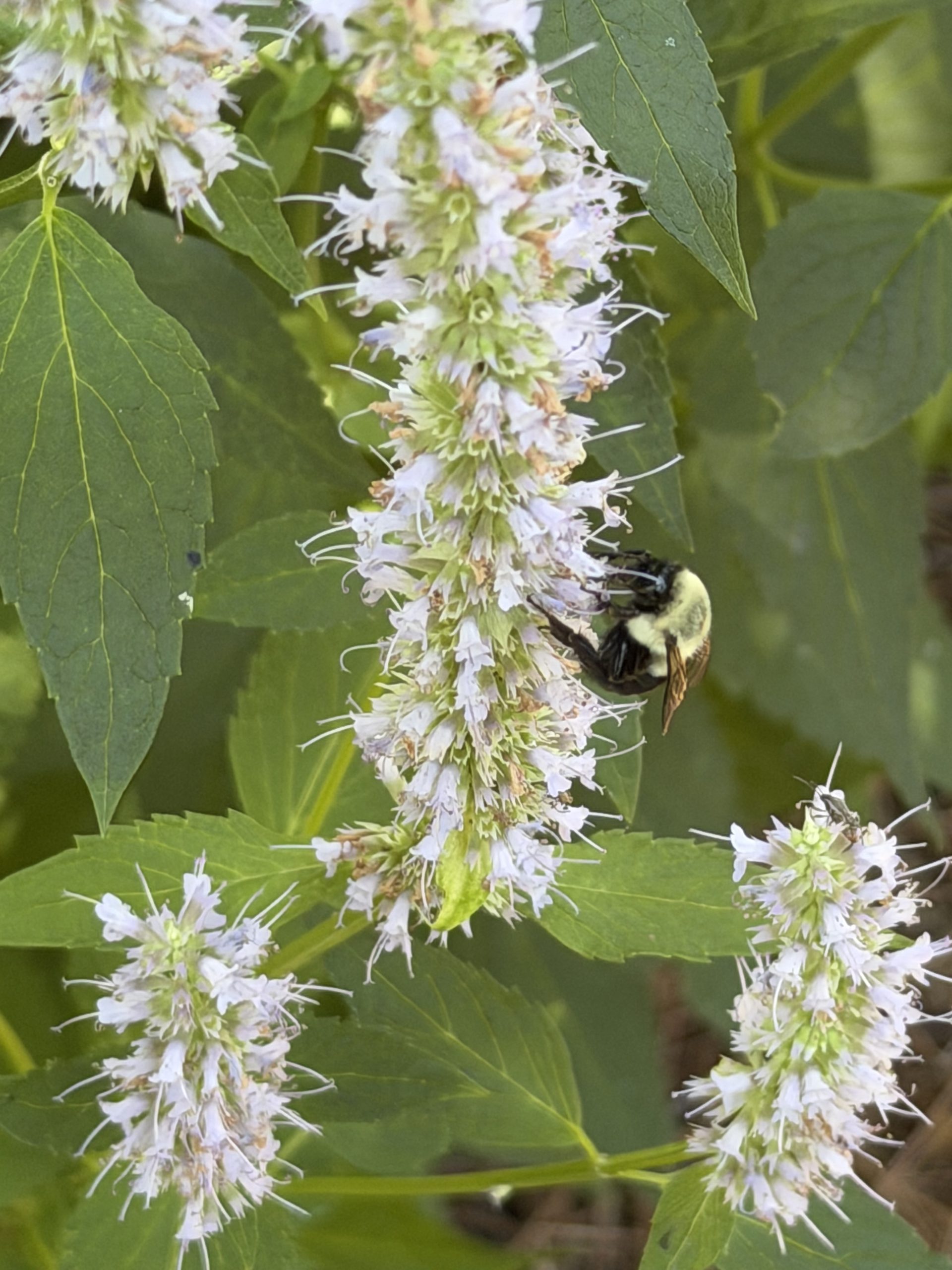
So glad to know about another book to add to my list. Thanks for sharing this and love the beautiful pictures of flowers. Sending hugs to you this Sunday morning!
Good morning, dear Lynn! Thank you for being in touch! It’s really lovely to hear from you. Hugs right back. Xoxo
Hello Jennifer,
I’ve missed your posts, and this one has brought me a joyful moment, as I definitely woke up feeling “uhtceare” !!
Your flower photos also delight me.
It’s a cool morning here in northern California – 55 degrees. I am just starting my day. Thank you for the blessing of your messages and book recommendations. I always smile when I see your emails! How lovely to feel connected across the states.
Paulette
Hi Paulette! Wow a cool morning sounds so lovely. Thank you for staying in touch. It means so much to me. Xoxo
My Gen-Z daughter has a less creative phrase than hurkle durkle. She loves to “bed rot” on Saturdays. lol.
Haha that’s hilarious! I think I’ll stick with hurkle durkle though? Xoxo
Jennifer Bridgette! Jennifer Bridgette! Hurkle-durkle is a marvelous (Scottish, to be precise) word indeed, and this book sounds exactly like my cup of tea. I hope I love it as much as The Dictionary of Obscure Sorrows, The Dictionary of Lost Words, The Grammarians, and The Mother Tongue by Bill Bryson. I only wish I were inventive enough to coin a new word for the delight BOTB brings me! xo
Awww thank you Mary Josephine!! (Tears emoji). I’ll leave this book in your mailbox. It is MEANT for you. Xoxo
You give me goals, MJ! I want to read all of these and the Guilty by Definition book!
Mary Jo always inspires me too! Xoxo
This book will go promptly to the top of the pile. And “tidsoptimist”promptly into my personal lexicon. As always, so gracefully written, Lovely. ✨